
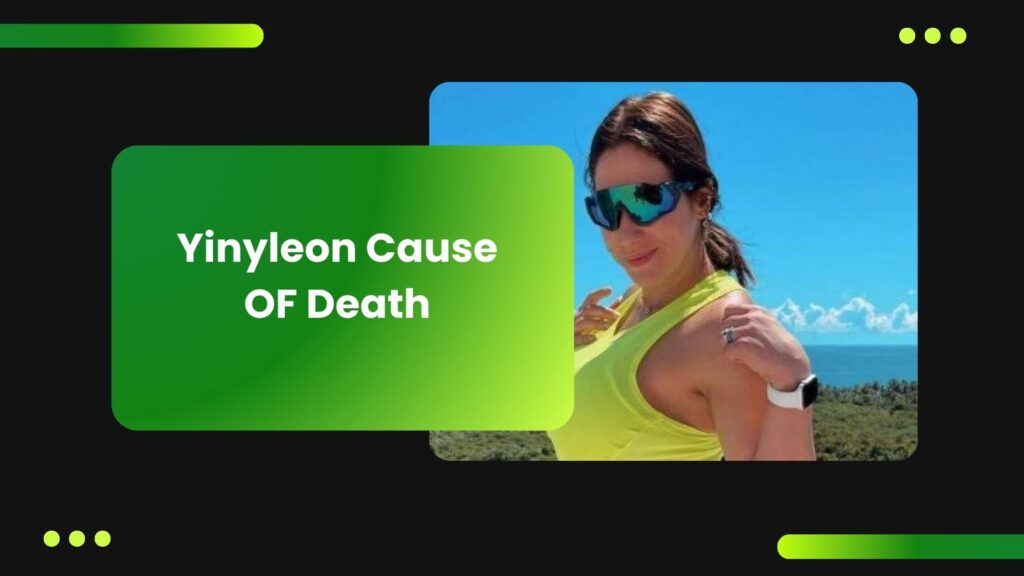

Who Is Yinyleon? A Quick Introduction
The topic Yinyleon cause of death has been widely searched, yet it all begins with understanding who Yinyleon really is. She is a digital content creator known across adult entertainment and lifestyle platforms, where she built a strong online presence. Over the years, her name grew rapidly in online communities, especially in the USA, where fans actively follow her updates.
Her popularity did not come overnight. Instead, it developed through consistent posting, audience engagement, and viral exposure. Because of her visibility, she became a frequent subject of social media misinformation and online discussions. This environment later became the perfect ground for Yinyleon rumors, including the widely spread Yinyleon death hoax that confused millions.
What Started the Yinyleon Death Rumors Online?
The Yinyleon cause of death rumors began without any verified source or official announcement. Instead, anonymous posts and misleading captions triggered early confusion across platforms. These posts spread fast because users reacted emotionally rather than logically.
Soon, search engines filled with queries like “is Yinyleon dead or alive in 2026” and “what started Yinyleon death rumors”. The situation escalated quickly due to viral death rumors, even though no evidence supported any claims. This shows how fake celebrity death news can start from almost nothing and still go global.
A simple breakdown of the origin looks like this:
| Stage | What Happened |
| Step 1 | Anonymous post appears online |
| Step 2 | Users share without checking |
| Step 3 | Emotional reactions spread content |
| Step 4 | Search engines amplify interest |
| Step 5 | Global misinformation trend forms |
The Viral Death Hoax Explained: How It Spread on Social Media

The Yinyleon death hoax explained reveals how fast viral misinformation can move across platforms. TikTok, Instagram, and Twitter all played a role in pushing the story forward through shares and engagement-based ranking systems.
The social media algorithm amplification system boosted posts that triggered strong emotions. As a result, engagement-driven virality pushed fake stories higher than real facts. This created a false sense of truth, even though no official confirmation existed.
Breaking Down the False Claims About Yinyleon’s Death
Many versions of false death reports online appeared at the same time. Some claimed illness, others mentioned sudden accidents. However, all claims showed clear signs of fabricated death news with no proof.
These claims are part of a common pattern in celebrity death misinformation. Each story contradicted the next, showing no consistency or evidence. This is a classic case of unverified death claims spreading through emotional sharing.
Cancer and Accident Rumors: Where These Claims Came From
The most viral part of the story involved Yinyleon cause of death cancer claims and fake accident reports. These stories used emotional language to create shock and sympathy. However, no hospital records or official sources supported them.
These were examples of fake medical claims and terminal illness rumors designed for clicks. The purpose was not truth but attention. This type of content often spreads as medical misinformation across social platforms.
A simple comparison:
| Claim Type | Reality |
| Cancer death rumors | No evidence exists |
| Accident claims | No reports found |
| Health complications rumors | Completely unverified |
Is Yinyleon Really Dead? The Confirmed Truth in 2026
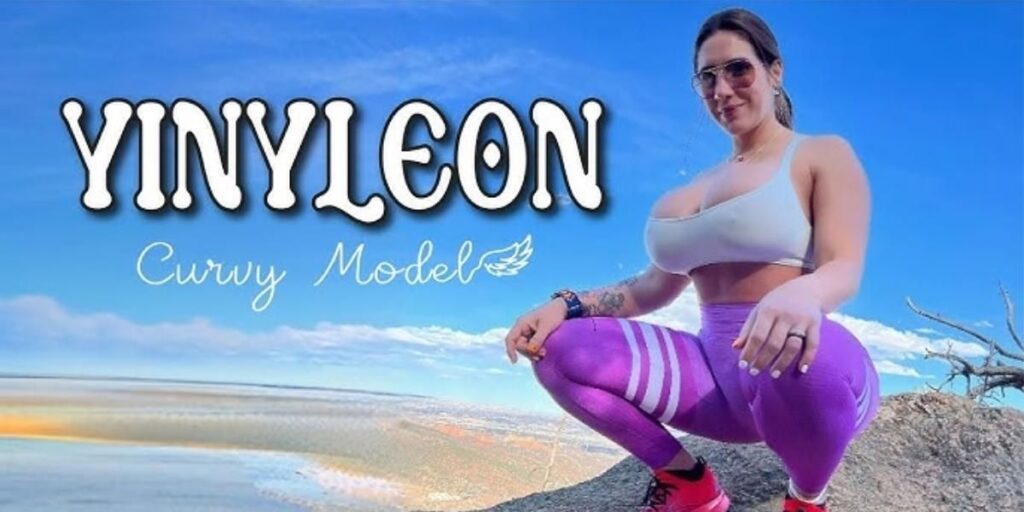
The confirmed reality is simple. Yinyleon is alive, active, and continuing her online work in 2026. There is no verified source that supports any death confirmation rumors.
Her active social media presence clearly shows ongoing engagement. This directly debunks all false celebrity death reports and removes confusion caused by viral content.
Why Celebrity Death Hoaxes Go Viral So Quickly
The celebrity death hoax trend spreads fast because people react emotionally. Fear, shock, and curiosity drive viral sharing behavior before fact-checking happens.
This is a clear example of misinformation psychology, where emotional triggers override logic. The internet rewards speed, not accuracy, which fuels viral death hoax explanation patterns repeatedly.
Role of TikTok and Social Media in Spreading Misinformation

TikTok played a major role in the TikTok death hoax spread. Short videos, edited clips, and fake tributes created a false impression of truth. The platform’s system boosted this content automatically.
This is known as platform misinformation spread, where algorithms push engaging content regardless of accuracy. The result is trending hoax videos reaching millions within hours.
Impact of Fake Death News on Fans and Online Communities
The impact of fake cause of death reports is serious and emotional. Fans experience confusion, sadness, and even grief before learning the truth. This creates emotional distress fans feel deeply across online communities.
It also damages trust in online platforms and creates public trust erosion. Many users begin questioning every piece of news they see afterward.
How to Identify Fake Celebrity Death Reports
Identifying fake news detection is important in today’s digital world. Most hoaxes show clear warning signs when examined carefully.
Common signs include:
- No official statement exists
- No credible news coverage
- Overly emotional language
- Anonymous or unverified sources
This process is part of media literacy awareness and digital literacy importance, helping users avoid misinformation.
Yinyleon’s Career and Online Presence Today
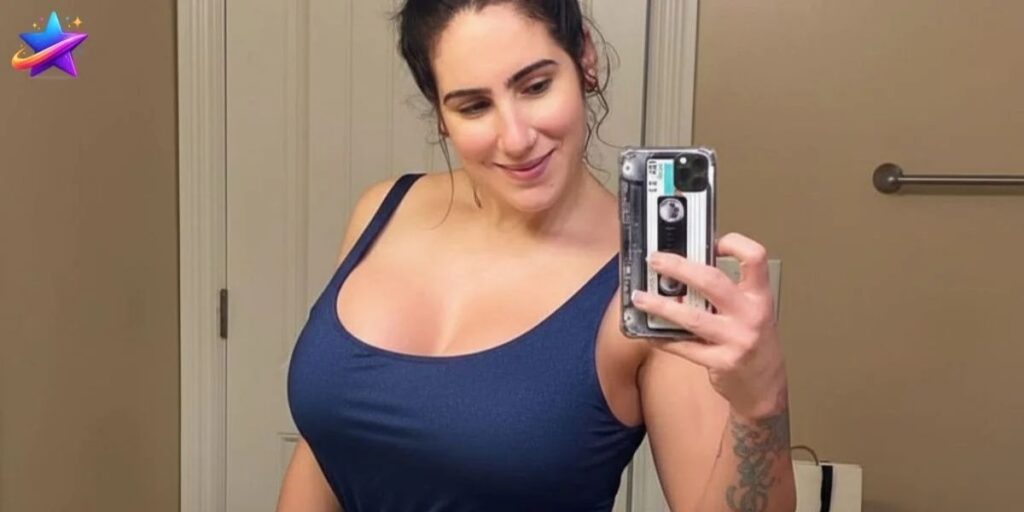
Yinyleon continues her online career without interruption. Her activity across platforms proves she is active and engaged. This directly disproves all death rumor explanation narratives.
Her consistent posting shows that death speculation online was completely false. Fans continue interacting with her content daily, showing strong community support.
Psychology Behind Why People Believe Death Rumors
The misinformation psychology behind viral rumors is powerful. People often believe shocking news because of emotional reactions. This includes confirmation bias effect and cognitive bias online behavior.
Many users also experience parasocial relationships, where they feel emotionally connected to public figures. This increases emotional distress fans feel when false news spreads.
Lessons from the Yinyleon Death Hoax Case
The Yinyleon death hoax case teaches important lessons about online behavior. The internet can quickly turn rumors into global stories without proof. This creates viral content spread that is difficult to control.
Key lessons include:
- Always verify before sharing
- Check official sources
- Avoid emotional reposting
- Understand algorithm behavior
This helps reduce viral misinformation and strengthens online awareness.
Frequently Asked Questions (FAQs)
Is Yinyleon dead or alive in 2026?
Yinyleon is alive in 2026. All Yinyleon rumors about her death are false.
Did Yinyleon die from cancer?
No, all cancer death rumors and health status rumors are completely fake.
What started Yinyleon death rumors?
The rumors started from clickbait content creation and unverified social posts.
Why do fake death news spread so fast?
Because of algorithmic amplification and emotional sharing behavior online.
How to identify fake celebrity death news?
Check verified sources, avoid anonymous posts, and use fact-checking online news methods.
Conclusion
The entire Yinyleon cause of death story is a clear example of how viral death rumors and social media misinformation can spread without truth. No evidence supports any death claims, cancer stories, or accident reports.
Instead, this case highlights the importance of truth verification online, stronger digital literacy importance, and careful attention before sharing news. In the end, the truth remains simple. Yinyleon is alive, active, and continuing her digital journey while misinformation fades away.
Read More: Peso Pluma Net Worth 2026 Updated